Varicose Veins Surgery is performed to treat enlarged, twisted veins that commonly affect the legs. These veins develop when the valves inside the veins become weak or damaged, causing blood to pool instead of flowing efficiently back to the heart. Treatment helps relieve symptoms, improve circulation, and enhance the appearance of the legs.
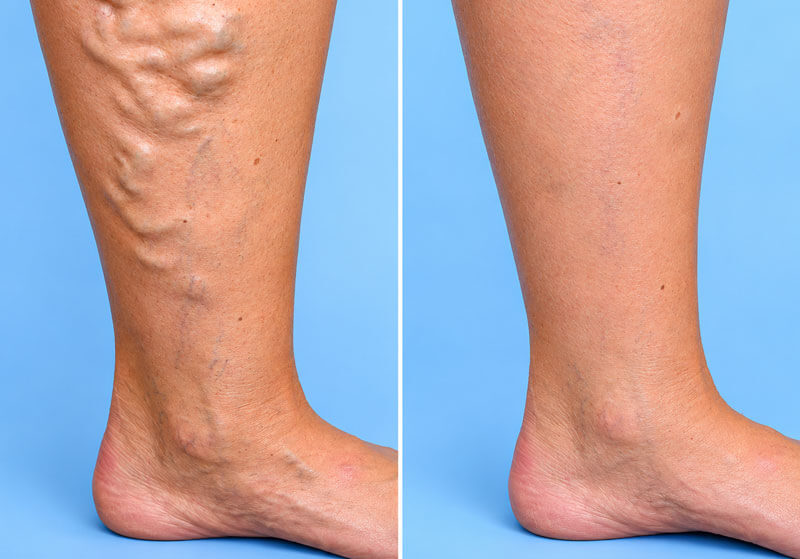
Varicose veins are a common condition that can affect both men and women. While some people seek treatment for cosmetic reasons, others experience symptoms that interfere with daily activities. If left untreated, varicose veins may gradually worsen and lead to complications in certain cases.
The severity of symptoms varies from person to person. Patients may experience:
Surgical or minimally invasive treatment may be advised when symptoms persist despite conservative measures or when complications develop. Early intervention can help prevent progression of the condition and improve overall comfort.
A detailed assessment is required to determine the extent of venous disease and select the most appropriate treatment approach.
Treatment may include minimally invasive procedures such as Endovenous Laser Treatment (EVLT), Radiofrequency Ablation (RFA), sclerotherapy, or surgical removal of affected veins in selected cases. The choice of procedure depends on the severity of the condition and the patient's individual needs.
Recovery depends on the treatment performed, but most modern procedures allow patients to return to normal activities quickly. Wearing compression stockings, staying physically active, and attending follow-up appointments help support recovery and maintain long-term results.