Surgery of the Small and Large Intestine is performed to treat a variety of conditions affecting the digestive tract. Depending on the underlying problem, surgery may involve removing a diseased segment of the intestine, repairing a blockage, treating injuries, or managing tumors and inflammatory conditions. Modern surgical techniques aim to restore normal bowel function while minimizing recovery time and improving patient outcomes.
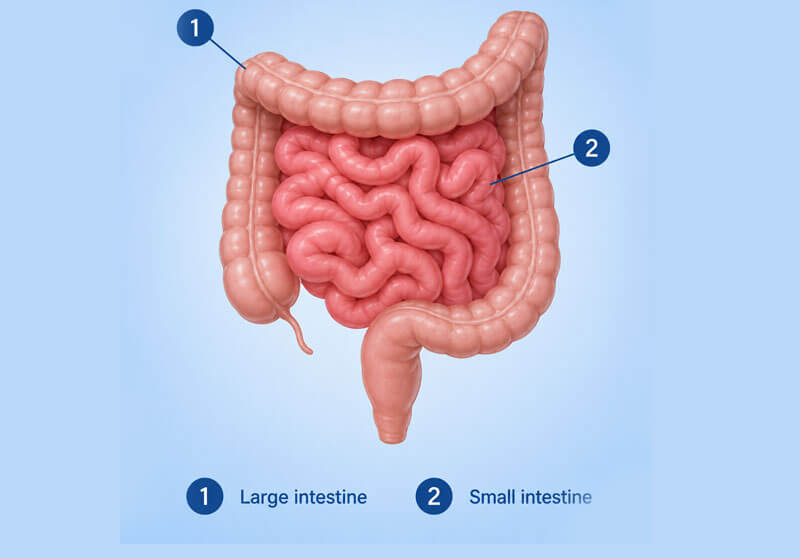
Intestinal surgery may be recommended when medical treatment alone is not sufficient or when complications develop. The type of procedure depends on the location and severity of the disease.
Symptoms vary depending on the condition affecting the intestine. Persistent digestive symptoms should always be evaluated by a specialist.
A detailed assessment helps identify the underlying cause and determine the most appropriate treatment plan. Various investigations may be required before surgery.
Depending on the diagnosis, surgery may involve removal of a diseased section of the small or large intestine, repair of damaged bowel, or treatment of obstruction and other complications. Whenever appropriate, minimally invasive laparoscopic techniques may be used to reduce surgical trauma and support faster recovery.
The specific procedure is tailored to the patient's condition, overall health, and treatment goals.
Recovery depends on the type and extent of surgery performed. Patients are encouraged to gradually resume normal activities under medical guidance. Proper nutrition, wound care, and regular follow-up appointments play an important role in achieving a smooth recovery and optimal long-term results.