Piles Surgery is performed to treat hemorrhoids that cause persistent symptoms or do not respond adequately to conservative treatment. Piles are swollen veins in the lower rectum and anus that can lead to pain, bleeding, itching, and discomfort during bowel movements. Surgical treatment provides long-term relief and helps improve quality of life.
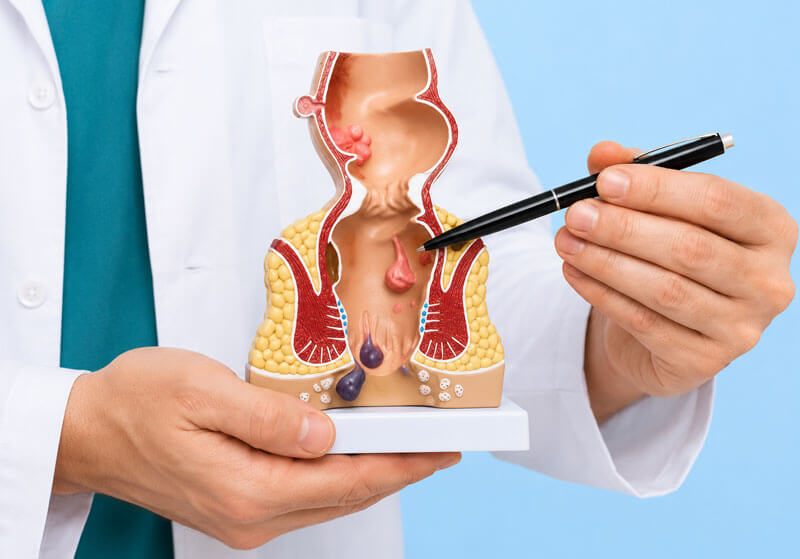
Piles, also known as hemorrhoids, can develop inside the rectum (internal piles) or around the anus (external piles). They commonly occur due to increased pressure in the rectal veins, often associated with chronic constipation, prolonged straining, obesity, pregnancy, or a sedentary lifestyle.
The symptoms vary depending on the size and type of hemorrhoids. Common complaints include:
Surgery may be advised when symptoms become severe, recur frequently, or fail to improve with medications and lifestyle modifications. Advanced grades of piles often require procedural or surgical treatment for lasting relief.
A thorough evaluation helps confirm the diagnosis and determine the most suitable treatment option. Examination may include:
Depending on the severity of the condition, treatment may range from minimally invasive procedures to surgical hemorrhoidectomy. Modern techniques such as stapler surgery and laser treatment may be suitable for selected patients, offering effective symptom relief with quicker recovery.
Recovery depends on the type of procedure performed. Most patients can gradually return to normal activities within a short period. Adequate hydration, a high-fiber diet, and proper bowel habits are important for smooth healing and preventing future problems. Regular follow-up helps ensure the best long-term outcome.