Lipoma Removal is a minor surgical procedure performed to remove a lipoma, a benign growth composed of fatty tissue that develops beneath the skin. Lipomas are generally harmless and slow-growing, but they may cause discomfort, cosmetic concerns, or restrict movement depending on their size and location. Surgical excision provides a safe and effective solution with a low risk of recurrence.
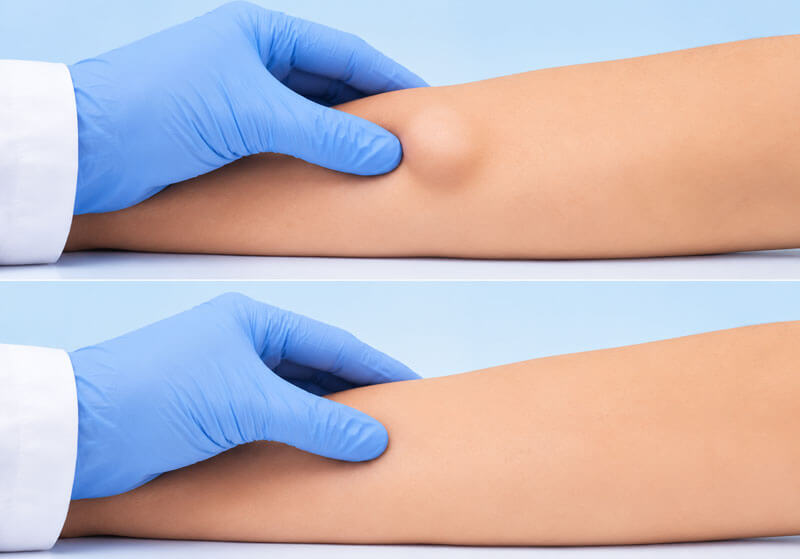
A lipoma is a soft, movable lump made up of fat cells that develops just beneath the skin. These growths are non-cancerous and can occur anywhere on the body, although they are most commonly found on the neck, shoulders, back, arms, and thighs. Most lipomas grow slowly over time and remain painless.
Although many lipomas do not require treatment, removal may be advised if the lump continues to enlarge, becomes painful, affects daily activities, or causes cosmetic concerns. In some cases, surgery may also be recommended when the diagnosis needs confirmation or when the lipoma is located near nerves, muscles, or joints.
The diagnosis of a lipoma is usually made through a clinical examination. Your surgeon will evaluate the size, consistency, location, and mobility of the lump. Imaging studies such as ultrasound, CT scan, or MRI may be recommended for larger or deeper lipomas to better understand their extent and relationship with surrounding tissues.
Lipoma removal is commonly performed as a day-care procedure under local anesthesia. A small incision is made over the lump, and the fatty tissue is carefully separated and removed. Every effort is made to minimize scarring while ensuring complete excision of the lipoma.
Depending on the size and location of the growth, the wound may be closed with sutures and covered with a dressing. Most patients are able to return home on the same day.
Surgical removal offers several benefits, including relief from discomfort, improved appearance, and confirmation of diagnosis through laboratory examination when required. Complete excision also minimizes the chance of the lipoma recurring in the same location.
Recovery after lipoma removal is usually straightforward. Mild swelling, bruising, or tenderness may occur around the surgical site for a few days. Patients are advised to keep the wound clean, follow dressing instructions, and avoid strenuous activities until healing is complete. Most individuals can resume their normal routine within a short period, depending on the size and location of the lipoma removed.