Inguinal Hernia Surgery is a highly effective procedure used to repair a hernia that develops in the groin region. An inguinal hernia occurs when a portion of the intestine or abdominal tissue protrudes through a weak area of the abdominal muscles, causing a visible bulge and discomfort. Surgical repair helps prevent complications and allows patients to return to their normal activities with improved comfort and confidence.
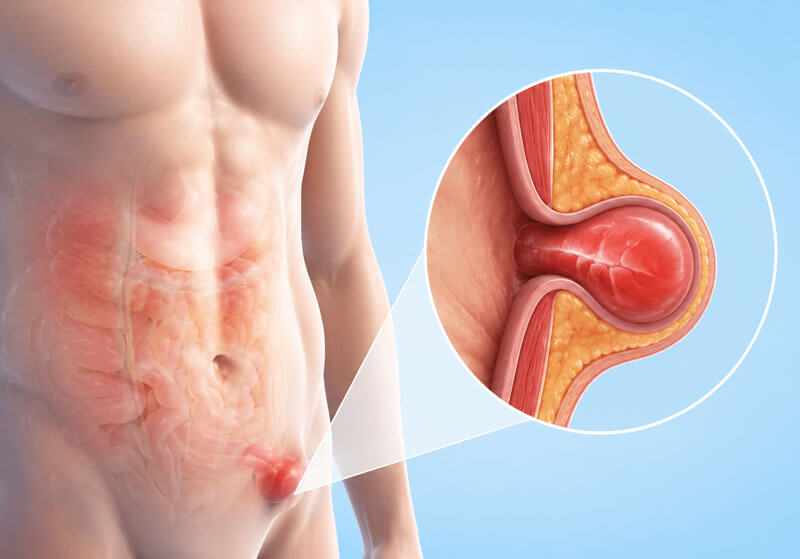
Inguinal hernias are among the most common types of hernias and can affect individuals of all ages. They may develop gradually due to muscle weakness or increased pressure within the abdomen.
The symptoms may vary depending on the size and severity of the hernia. Common complaints include:
Several factors may increase the likelihood of developing an inguinal hernia:
Accurate diagnosis is important for determining the most suitable treatment approach.
Surgery is the definitive treatment for an inguinal hernia. Depending on the patient's condition, the repair may be performed using open surgery or minimally invasive laparoscopic techniques. In most cases, a surgical mesh is used to reinforce the weakened abdominal wall and reduce the risk of recurrence.
Laparoscopic hernia repair offers the advantages of smaller incisions, reduced post-operative discomfort, faster recovery, and an earlier return to routine activities.
Most patients can resume light activities within a few days after surgery. Recovery time varies based on the surgical technique used and individual health factors. Patients are advised to avoid strenuous exercise and heavy lifting for several weeks while following their surgeon's post-operative instructions. Regular follow-up helps ensure proper healing and long-term success of the repair.