Colorectal surgery focuses on the diagnosis and treatment of diseases affecting the colon, rectum, and anus. These conditions can significantly impact digestive health and quality of life. Modern colorectal surgery combines advanced diagnostic techniques with minimally invasive procedures to provide effective treatment and faster recovery for patients.
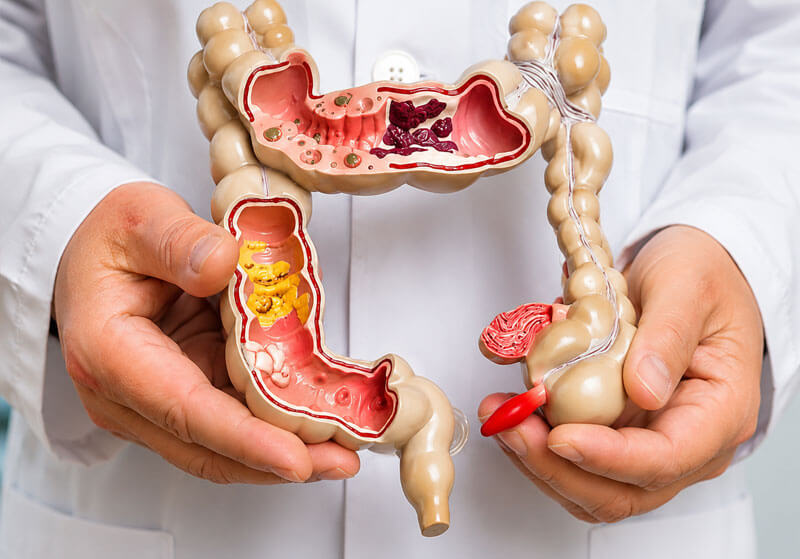
It is important to seek medical attention if you experience persistent symptoms related to the colon, rectum, or anal region, including:
Accurate diagnosis is essential for planning the most effective treatment. Depending on your symptoms, evaluation may include:
Treatment depends on the specific condition, severity of symptoms, and overall health of the patient. Some conditions can be managed with medications and lifestyle modifications, while others may require surgical intervention.
Advanced laparoscopic and minimally invasive colorectal procedures allow surgeons to treat complex conditions through smaller incisions, reducing pain and improving recovery times compared to conventional open surgery.
Recovery time varies depending on the procedure performed. Most patients are encouraged to begin light activity shortly after surgery. Following dietary recommendations, medications, and regular follow-up appointments helps ensure optimal healing and long-term digestive health.