Laparoscopic Cholecystectomy is a minimally invasive procedure used to remove the gallbladder. It is commonly performed for patients suffering from gallstones and other gallbladder conditions. The surgery is carried out through small incisions using a camera and specialized instruments, resulting in less pain and faster recovery compared to open surgery.
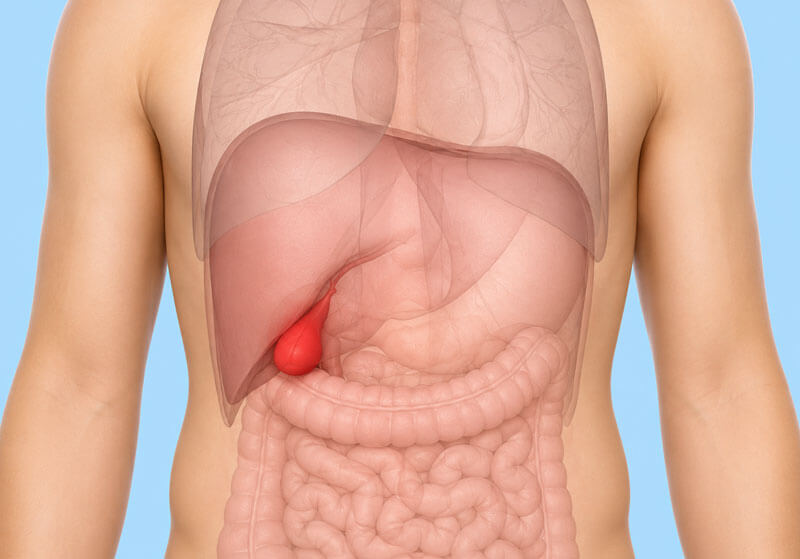
Gallbladder removal may be recommended when gallstones or other gallbladder problems cause symptoms or complications.
The condition is usually diagnosed through clinical examination and imaging studies.
The surgery is performed under general anesthesia. Small incisions are made in the abdomen through which a camera and surgical instruments are inserted. The gallbladder is carefully removed, and the incisions are closed. Most patients are discharged within a day or two.
Most patients recover quickly after laparoscopic cholecystectomy and can return to normal activities within a short period. Following dietary advice and post-operative instructions helps ensure a smooth recovery and excellent long-term results.